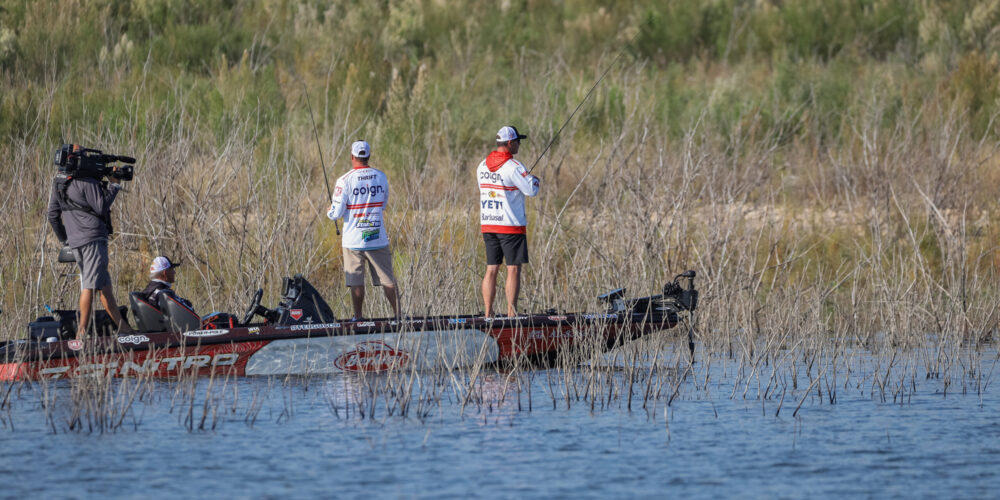
EARLY, Texas — Few fisheries have generated more hype in bass fishing circles over the past five or so years than Lake O.H. Ivie. The West Texas reservoir has emerged as perhaps the best big-bass producer in the country, having yielded the most Legacy Class ShareLunkers (largemouth weighing more than 13 pounds) of any Texas fishery five years running.
Even as fruitful as O.H. Ivie has been, though, no national-level tournament trail has visited in recent years, leaving fans to wonder what might happen if the best anglers in the world took on the giant factory. That question will finally get answered this week.
Suzuki Marine Stage 4 Presented by Plano will take the Bass Pro Tour field to O.H. Ivie and neighboring Lake Brownwood Thursday through Sunday. O.H. Ivie will host the two-day Qualifying Round, while Brownwood will serve as the playing field for the Knockout and Championship Rounds.
According to those who know the fisheries well, both O.H. Ivie and Brownwood can be challenging to figure out, especially since the field has little history on the fisheries and the water level is down a bit on both lakes. But the caliber of bass that live there (particularly in O.H. Ivie) remains massive. Intrigue will be high to see whether someone can catch the first “teener” in Bass Pro Tour history.
Becoming a big-bass Mecca
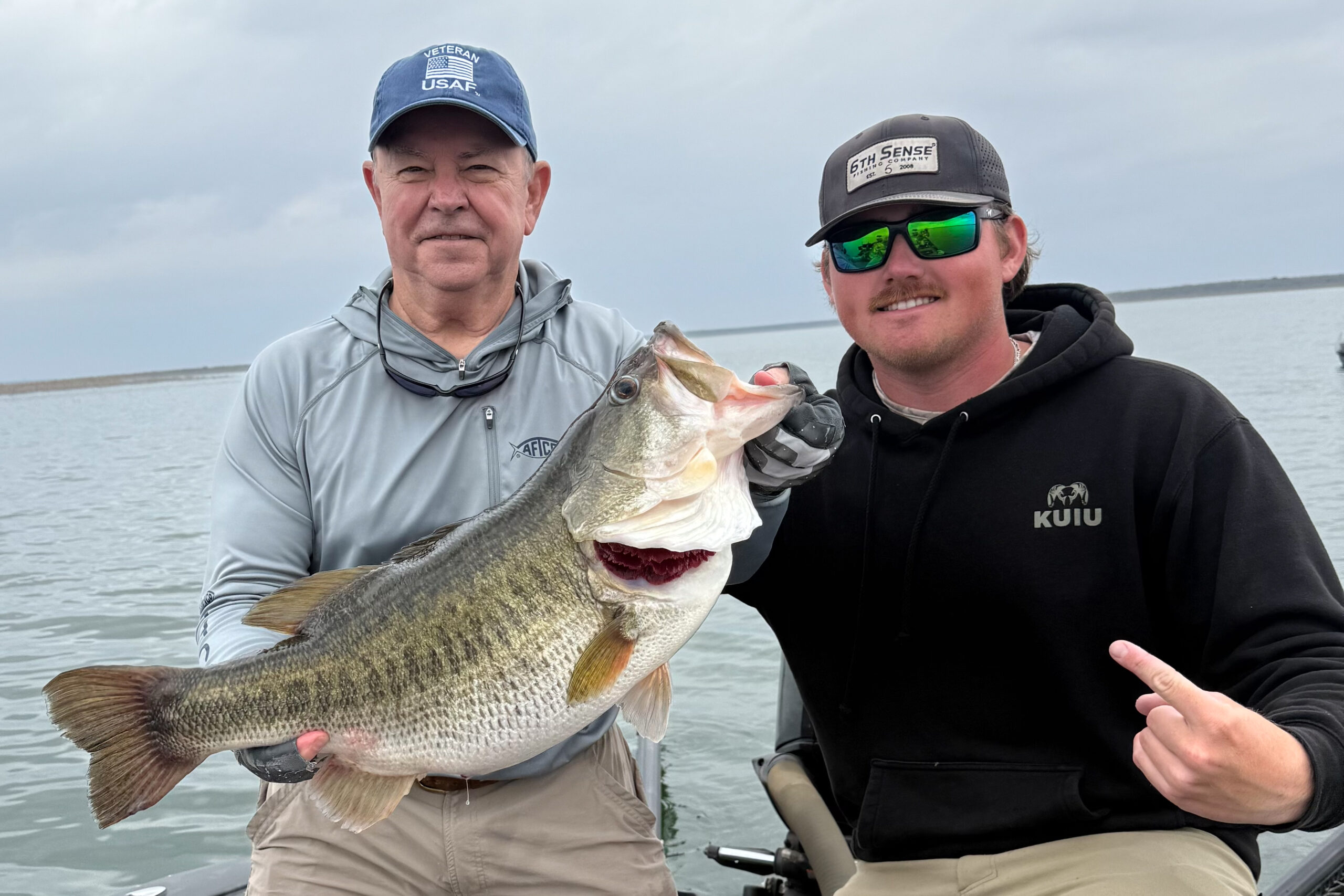
If it feels like the O.H. Ivie craze came out of nowhere, it did. According to Texas Parks and Wildlife biologist Lynn Wright, the impoundment of the Colorado and Concho Rivers has enjoyed productive periods in the past, but for about 10 years, low water levels hampered the fishing. By 2018, the lake was less than 20% full.
Then, in 2019, the region finally got a deluge of rain, and the fishery rose more than 35 vertical feet. A forest of salt cedars and brush had grown in the shallows during the drought, offering an endless sea of bass habitat once it flooded. Combine that with the nutrients that washed into the reservoir (which bolstered the baitfish population) and the lake’s strong Florida-strain genetics, and the result was “your textbook new-lake effect.”
“That water level rise just created the perfect conditions for bass to grow,” Wright said. “Tons of habitat, tons of productivity – basically all they had to do was sit there and eat all day long. And we’ve seen that historically at this lake; when it has a big water level rise, usually there’s like a one- to two-year lag period, and then you start to see these big fish get caught.”
The advent of forward-facing sonar, which helped anglers better target the bass roaming the deep, clear lake, was the final ingredient that formed a supernova. An insane 72 largemouth over 13 pounds were caught from O.H. Ivie from 2021-24, with bass over 15 pounds showing up each year.
Not many lakes can boast that kind of top-end size, and the prospect of catching a teener will surely have some BPT pros drooling. But Austin Pemberton, a Tackle Warehouse Pro Circuit pro who has lived near O.H. Ivie most of his life and guided on the fishery for almost five years, said catching those giants isn’t nearly as easy as it might seem on social media. The big girls are still there, but between the water level starting to dip again and heavy fishing pressure, getting them to bite isn’t easy.
“Last week before I left (town), I had four to six 9-pounders a day or bigger,” he said. “If you put in the time, you’ll definitely catch a few big ones. It’s nothing like it used to be, though.”
Size vs. numbers
Several BPT anglers got to see firsthand how fickle O.H. Ivie can be in October 2024, when the Fishing Clash Team Series visited O.H. Ivie and Brownwood for the Patriot Cup. That event was a grind – only one bass over 3 pounds hit SCORETRACKER® across three days on Ivie.
Pemberton thinks the fishing will be quite a bit better in late March, but perhaps not for everyone. He said there could be a significant gulf between the haves and have-nots.
“Like 90% of the people that go out there zero,” he said of O.H. Ivie. “So, it can be horrible. But if I go out there, and if I’m chasing numbers, which the BPT is, I’m probably going to catch anywhere from 20 to 40 a day, and I would say best the five going anywhere from 30 to 50 pounds.”
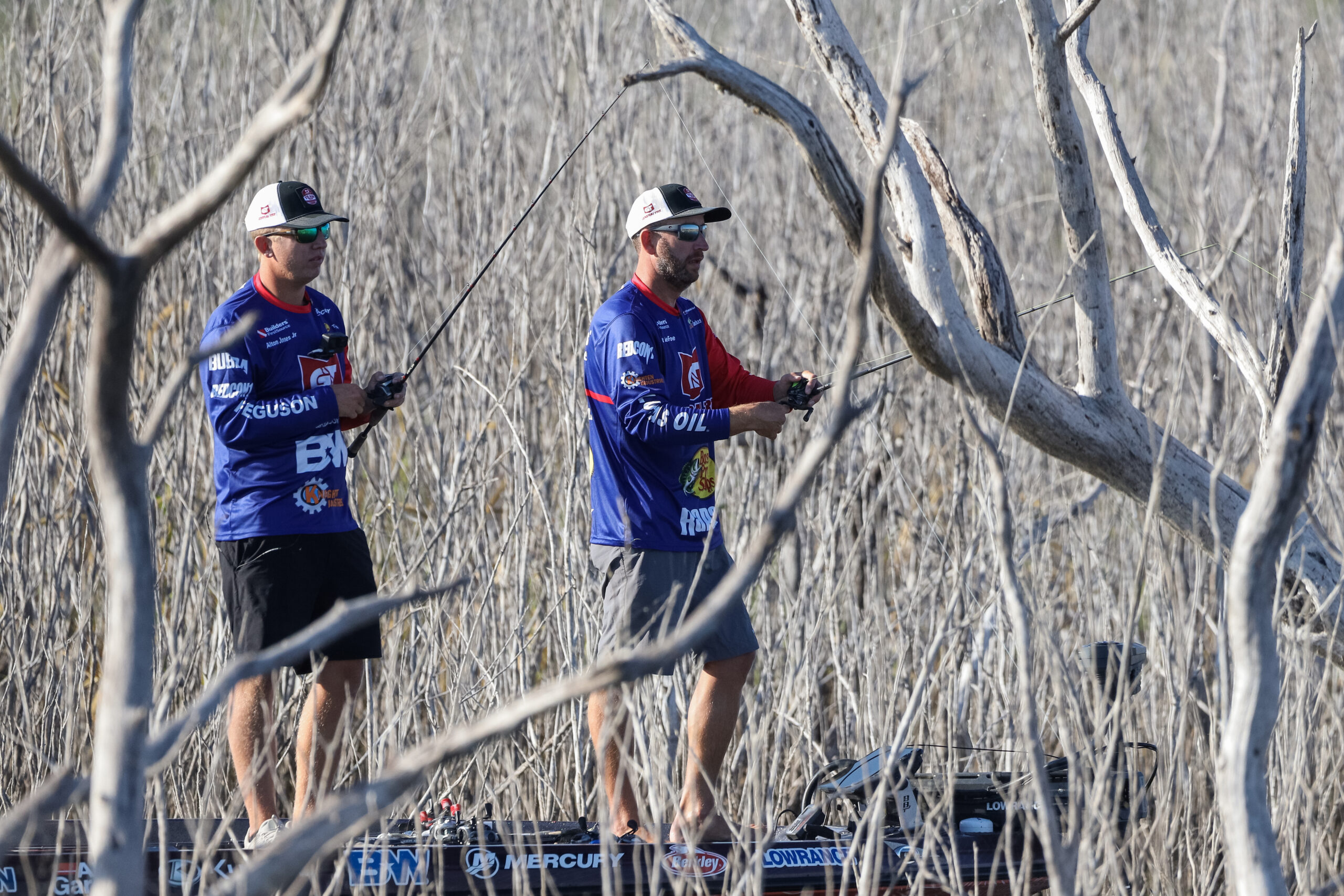
The primary thing that makes O.H. Ivie so challenging is the sheer amount of heavy cover where bass can hide. Pemberton expects quite a few bass to be on spawning beds this time of year, but he doesn’t think many anglers will actually be able to target those spawners – they’re too hard to find.
“You can go 500 yards or more into the trees without hitting a bank,” he explained. “They can spawn anywhere in the trees. There’s just so much cover, you can’t get to where they spawn. And really, they spawn a lot deeper than people think. I’m catching my spawning fish in 20 feet of water. So, they’re really, really hard to find.”
Not every bass spawns at the same time, so there should be some pre- and postspawners to catch, too. Pemberton thinks forward-facing sonar will make anglers much more efficient in targeting them, so maximizing their one period per day with the technology will be key. He expects to see a lot of jighead minnow action, but anglers could also find success by slowing down and flipping.
“I think they’re going to catch them chasing little roamers out in the creek channels with a minnow and then flipping buck brush,” he said.
The big dilemma competitors will face on O.H. Ivie is whether to spend their time (and especially their period with forward-facing sonar) chasing numbers or size. Pemberton said there’s a solid number of 2- to 3-pounders in the lake, and he thinks most anglers will chase those fish.
Of course, a pro targeting big females will be able to make up ground in a hurry if he connects once or twice. Some probably won’t be able to resist taking a shot at what might be the biggest bass they ever catch (and one that could assure them a spot in Heavy Hitters 2027). Wright said it’s “certainly possible” but far from a guarantee that we see a 13-pounder hit SCORETRACKER®.
“A lot of these folks that catch these teeners, they spend most of their day pursuing that one fish,” he said. “So, if you’re in a tournament format where you need to get your fish caught, you might not be able to spend three, four hours trying to catch one fish. But they’re definitely there, and it’s certainly possible.”
A different test on Brownwood
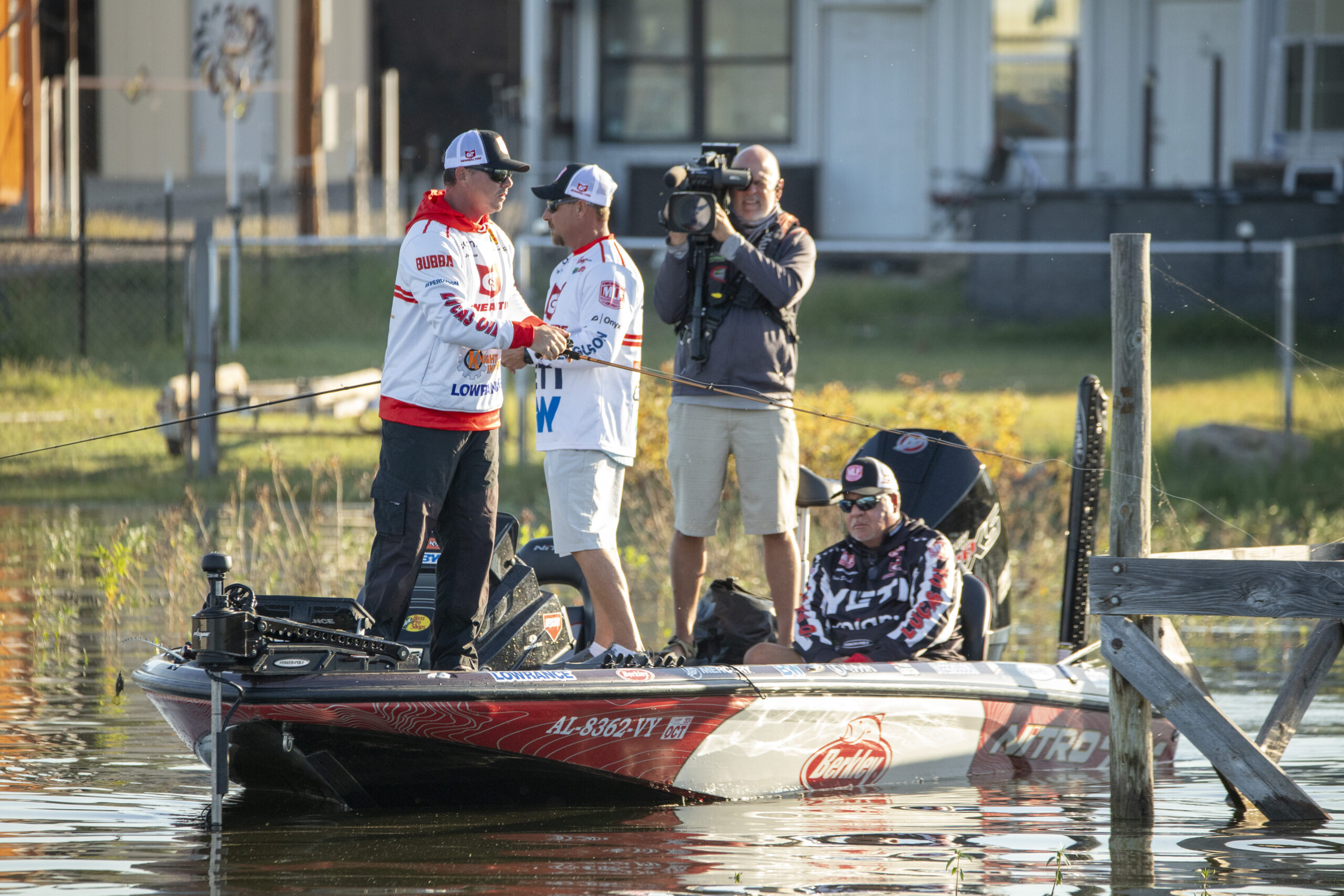
Those anglers who make the Knockout Round cut and advance to Brownwood will face a very different fishery. It’s a much shallower, dirtier lake that doesn’t have near as much flooded cover.
“Ivie is more of a canyon lake,” Wright said. “Where the river channel is, it’s very deep, and down by the damn, it’s over 100 feet deep. That’s not the case for Brownwood.”
Typically, Wright said Brownwood yields more numbers of bass but not the same top-end quality as O.H. Ivie. That was the case in the 2024 Patriot Cup, which was won by Jeff Sprague and Bryan Thift. However, Pemberton cautioned that the fishing will be quite a bit different on Brownwood, too – this time, not for the better. The lake is about 3 feet lower than it was for that event, which means a lot of the water willow and other shallow cover that produced will be high and dry.
“When it was flooded, it gets insane,” Pemberton said of Brownwood. “When it’s low, it gets extremely tough to fish. So, it’s really going to be a grind, I bet, on that lake.”
Pemberton doesn’t expect forward-facing sonar to be nearly as productive on Brownwood. He thinks a healthy number of bass will once again be on spawning beds, but the stained water will make sight-fishing challenging. He expects anglers to find success winding crankbaits and swimbaits around rocky banks and targeting docks with jigs and finesse worms.
“I really don’t think the forward-facing deal is going to play much there,” he said. “Mainly cranking, squarebills, throwing a jig on docks, throwing a shaky head on docks – stuff like that. It’s a dock-and-rock lake.”
Don’t miss any of the action
All four days of competition will stream live on MLFNOW! from 7:30 a.m. to 4 p.m. CT. Watch the action at MajorLeagueFishing.com, the MLF and MyOutdoorTV (MOTV) apps and the Major League Fishing channel on Rumble.