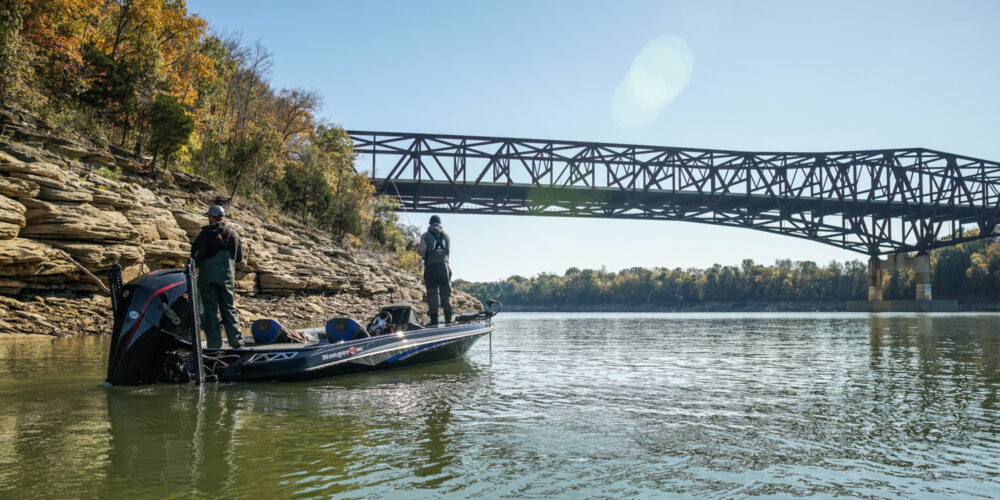
MONTICELLO, Ky. — For most Phoenix Bass Fishing League Presented by T-H Marine events, taking a big risk is worth it – after all, there’s no tomorrow. But two-day Super Tournaments force pros to really assess their risk tolerance.
The upcoming Mountain Division season finale on Lake Cumberland is definitely going to make that assessment hard. You see, there’s a clear way to win … but it’s also the easiest way to blank.
This year, BFL anglers benefit from an expanded slate of Regionals, which minimizes travel costs and provides more opportunities to qualify for the $120,000 BFL All-American while fishing familiar, closer-to-home waters. Click here to find out more.
What to expect
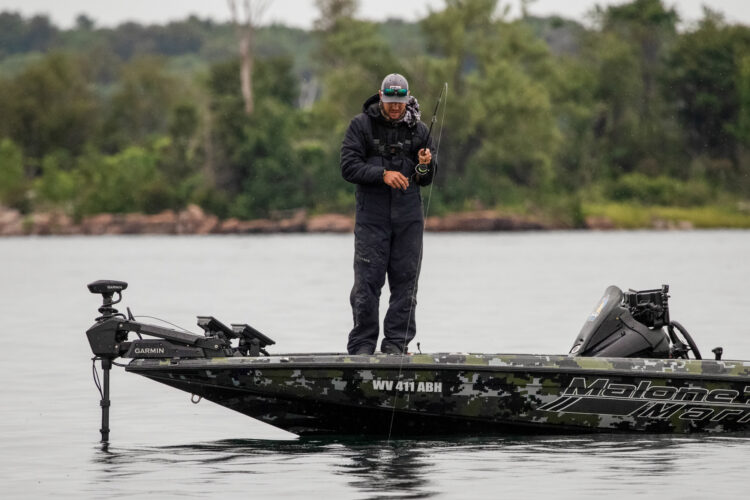
There are two main baitfish in Cumberland – shad and alewives. Which an angler targets also tends to mean which species of bass they’ll be targeting.
“Once the draw down goes into effect, the lake really changes,” says Ryan Davidson, who has a win and four other Top 10s to his credit on the fishery. “The shoreline changes, and the bass get really bait-oriented.”
With the nights starting to cool off, the shad will be heading to skinny water – with the largemouth in pursuit. That’s going to makes places like Fishing Creek and areas north of Conley Bottom Resort prime destinations to beat the banks covering water with power-fishing techniques.
Davidson says that will be a fun, consistent way to catch solid limits, but for anyone going for the win, they’ll need to target the alewives and the smallmouth chasing them.
“The smallies live out with the stripers,” Davidson said. “It used to be they were kind of ghosts this time of year, but forward-facing sonar has changed the game. If you find the alewives or stripers, you’ll find the smallmouth.”
Davidson says the smallmouth are typically much larger than the largemouth in Cumberland, and landing on the right school of offshore smallies can help an angler “get well” in a hurry. There are just two problems with targeting them.
The first is there’s an 18-inch size limit, which means even finding a school of smallmouth can result in many fish tossed back. And the second is finding them in the first place.
“Cumberland is so much bigger than Dale Hollow,” Davidson said. “Even idling scanning 100 feet in every direction, there are sections that are more than a mile wide. It’s so hard to find them or stay on top of them even if you find them in an area.
“You ‘re going to see pros catch 18 or 20 pounds one day – and they can do it in an hour – then zero the next simply because they couldn’t relocate the fish. But that’s the way to win.”
Baits to bring
Picking baits is going to depend a lot on picking a species.
For largemouth, crankbaits, spinnerbaits and buzzbaits are going to be on most boaters’ decks, as the goal will be to burn down the banks making as many casts as possible.
Meanwhile, those in the smallmouth game are going to have sore necks from watching their graphs and tossing out Damiki rigs and paddletail swimbaits.
What will it take?
Davidson emphasized that there are good bags of largemouth to be caught in Cumberland, but to do it two days in a row is going to be tough. Then again, the same could be said for connecting with the smallies on back-to-back days.
Regardless of species, the key to contending for the win will be consistency – being able to put together two solid days that get around the 33-pound mark.