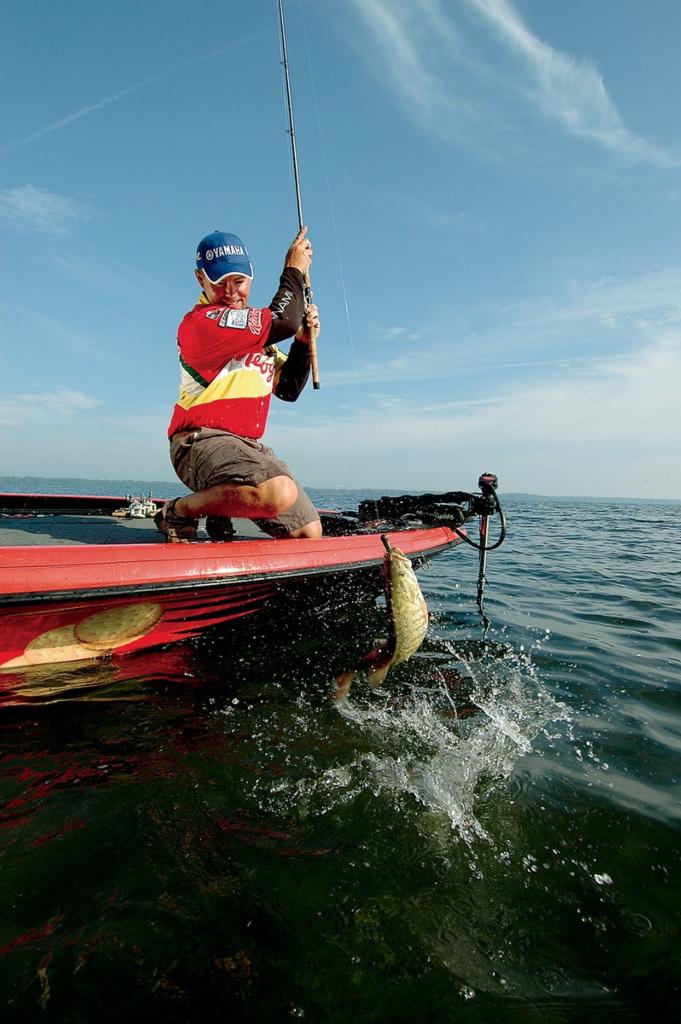
It’s January, but the end of winter is in sight. It’s never too early to look ahead to another great season of bass fishing. Through Mother Nature – weather and biology – and human influence, lakes and rivers experience cycles of productivity. In many instances, fisheries maintain exceptional quality for many years, while in other cases, conditions can improve or decline dramatically from year to year.
So, as we look forward to another season, what are the hottest destinations for exceptional bass fishing? The editors at FLW Outdoors studied lakes and rivers around the nation. Here’s our list:
Top five smallmouth fisheries
Lake Erie: Erie leads this list every year. To summarize: 20-pound limits are common, 5-pound smallies are everywhere, 2-pounders are a nuisance. From the West Basin to the East Basin, it’s the best smallmouth fishery on the planet.
Lake Champlain: The jewel of the Appalachians, Champlain is one of the best overall bass fisheries on the continent. With variable habitat, structure, cover, water clarity and depth, the lake is a bass’s dream home. Smallmouths are the dominant black-bass species throughout most of the lake. Champlain holds all sorts of records for FLW Outdoors tournament trails, including most fish caught and most total weight for a tournament.
Lake St. Clair: This list of 2006’s hottest smallmouth lakes is sounding like a broken record. The top smallmouth destinations haven’t changed a whole lot in recent years. The big northern lakes have dominated the category for years and continue to do so. St. Clair is a unique location in that an angler has so many options. You can fish the lake itself, the Detroit River or make the relatively short run to Erie. While it doesn’t produce bass quite the size of Erie, the quality and quantity of St. Clair’s smallmouths is outstanding.
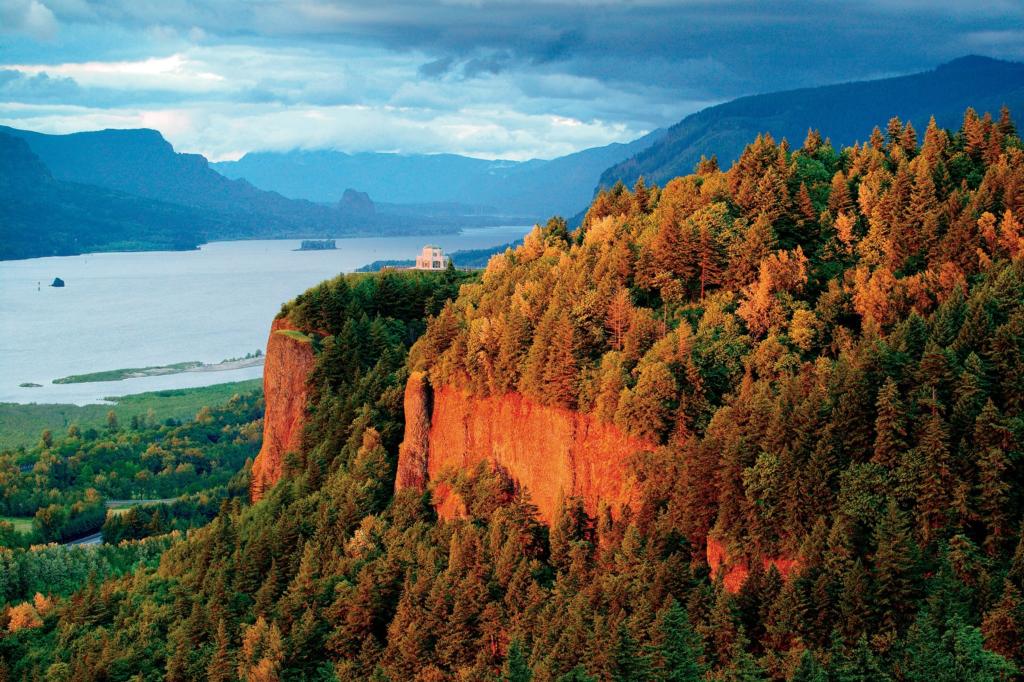 Columbia River: What’s the best way to describe the smallmouth fishing on the big river of the Northwest? World-class. Various factors contribute to the excellent fishing, including a lot of water, extensive spawning habitat, good current, excellent rock and gravel structure, abundant forage and a long growing season. The number of bass boats on the Columbia is growing every year it seems, but there aren’t nearly as many as you’d think, given how good the fishing is. So not only is it world-class, but it’s extremely underfished.
Green Bay: Not usually associated with great smallmouth fishing, Green Bay is slowly attracting attention. Bays de Noc and Sturgeon Bay – all part of Green Bay – offer very good smallmouth fishing and a lot of water from which to choose. Tournaments in recent years have produced 10 smallmouths weighing 50 pounds – it doesn’t get much better than that.
Honorable mentions:
Dale Hollow: The world-record holder, Dale Hollow has a serious trophy slot limit. A 5-pounder often falls in that slot.
Kentucky Lake: Many anglers think if the smallmouth record is to fall, the fish that takes its place will come from Kentucky Lake. Bronzebacks in the 4- to 6-pound range are becoming way too common.
Lake Cumberland: Located in central Kentucky, Cumberland is usually overshadowed by its neighbor, Dale Hollow, but when it comes to big smallies, it actually may be better.
Mille Lacs: The big lake of Central Minnesota holds quality smallies in numbers similar to big largemouths in Okeechobee.
Pickwick: If an angler can get on a group of smallmouths in Pickwick, he needs to hold on. They will likely be solid fish, some busting the 7-pound mark.
Top five largemouth fisheries
Clear Lake: Last year’s Stren Series performance by Seig Taylor – almost 100 pounds with 16 fish – was borderline unbelievable. A local event the previous weekend produced even more impressive catches – four-fish limits of 40 pounds. California’s largest natural lake has maintained stable production for many years and always seems to be getting better. A relatively steady climate, plenty of forage, top-notch genetics, abundant vegetation and many other factors contribute to the lake’s success. Barring a freak occurrence or disease, the fishery should produce plenty of double-digit largemouths for years to come.
 Lake Alan Henry: The West Texas lake is the “Mighty Mouse” of trophy lakes east of California. One primary difference between Alan Henry and small Southern California trophy lakes is fishing pressure. Make no mistake, Alan Henry gets plenty of attention these days, but nothing like lakes Dixon, Casitas or Otay. Unlike the massive metropolis of Los Angeles and San Diego, no one lives in West Texas, except for a few Bobby Knight fans in Lubbock. Alan Henry is for real. The 2,800-acre lake out-produced Lake Fork in ShareLunker entries (13-pounders or larger) last season – the first time a lake has beaten Fork in the history of the program. The fact that the young lake just filled to capacity in 2005 is encouraging news for future big-bass production.
Lake Guntersville: The huge Tennessee River impoundment in northeast Alabama used to be very good. Then vegetation died. Then it came back. And for the past several years, Guntersville has once again claimed its place as one of the best lakes in the country. Limits exceeding 20 pounds are common, and five fish weighing more than 30 pounds are seen in the spring. The lake is absolutely loaded with 3- to 5-pound bass, and bucketmouths exceeding 8 pounds are not uncommon. As long as the grass is green, Guntersville should be exceptional.
Lake Fork: Anglers from around the country make the journey to Lake Fork each year, and for good reason. Articles on the lake saturate fishing magazines, but the attention is well deserved. Few bass fisheries offer better chances at catching a double-digit fish. Hundreds of 10-pounders are caught each year – many even measure inside the lake’s trophy slot limit. Catching a couple dozen bass weighing between 3 and 7 pounds each day is common. If a pro tournament was allowed to fish Fork in the spring with no slot limit, 40-pound limits would be caught.
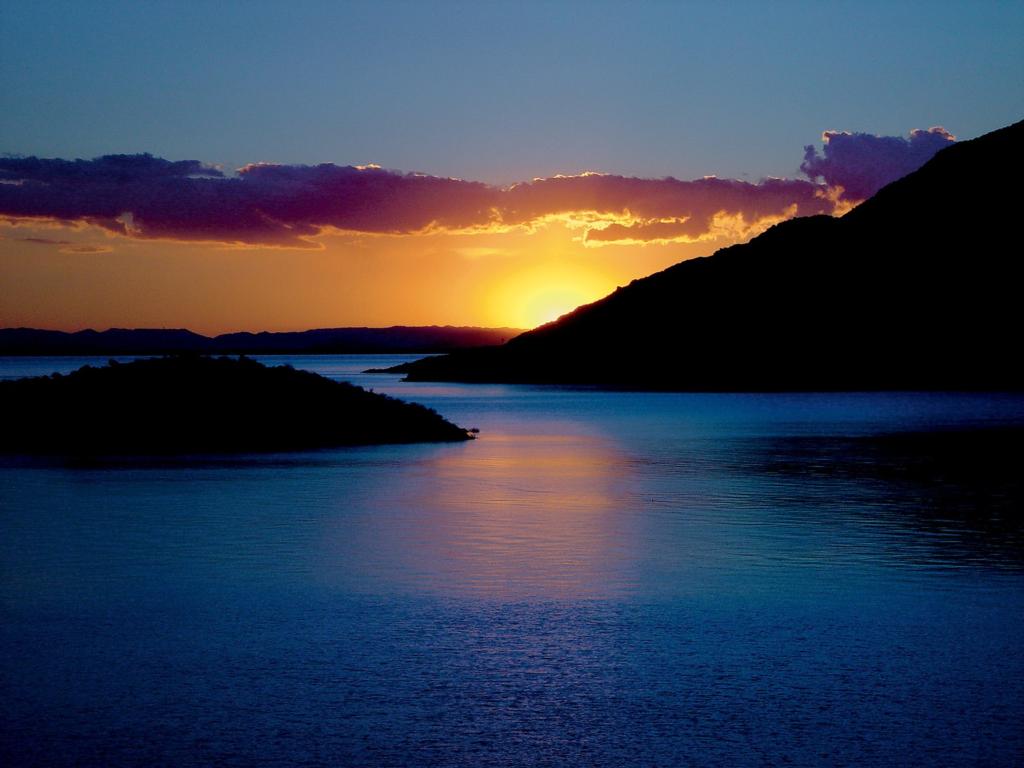 Diamond Valley Lake: Diamond Valley Lake, or DVL as it is called, has received a lot of press in recent years. Although a water-supply lake, the new impoundment in the Los Angeles metro area was designed to produce the next world record. Forage of all types, including rainbows, was stocked in the lake. Structure was strategically placed. Florida bass were stocked. Most of the characteristics that make Southern California lakes produce big bass are found in DVL. At 4,500 acres, DVL is larger and deeper than most Southern California trophy lakes. The 250-foot-deep lake didn’t fill completely until 2002, so its true potential has yet to be seen. Double-digit bass showed up quickly and, as one local angler recently said, “Like El Salto, traveling to this lake will soon become one of those pilgrimages all serious bass anglers must take.”
Honorable mentions:
Amistad Reservoir: Amistad has been very good for many years, even though a drought that ended last year really hurt the lake. Recent rains have significantly raised the water level, however, inundating vegetation. The next couple of years should be outstanding.
California Delta: The Delta really deserves to be in the top five. It is arguably the best largemouth fishery in the world. Enough said.
Kentucky Lake: Similar to Lake Guntersville in size, makeup and even on the same river system, Kentucky Lake also experienced a grass die-off in the late ’90s. The largemouth quality before was very good. The grass has returned to many areas, and the fishing is once again improving.
Lower Potomac River: The Potomac is one of the best Northern-strain-only largemouth fisheries on the continent. Bass exceeding 6-pounds are rare, but 3- to 5-pounders are everywhere. The fishery surprised anglers during the 2005 Wal-Mart FLW Tour event on the river.
Sam Rayburn Reservoir: Largemouth Bass Virus (LMBV) had an impact on Big Sam in the late ’90s, but the lake is once again looking good. Last year’s tournament results were impressive, with limits of bass holding a 5-pound-per-fish average.