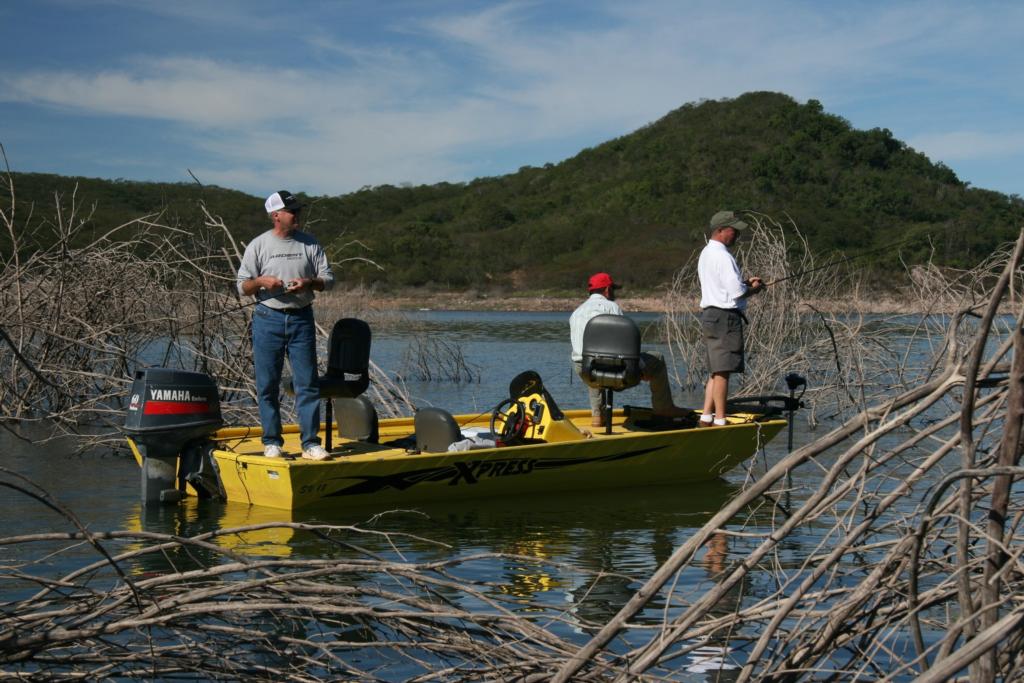
LAKE COMEDERO, Mexico – I visited Mexico recently and ran into some of my Floridian neighbors. Well, sort of.
The site was Lake Comedero, a 28,500-acre impoundment in Mexico’s Sinaloa state. The lake sits about 90 miles northeast of the central Pacific Coast tourist town of Mazatlan, a convenient base point with an international airport. Leaving the coast and heading into the western Sierra Madres, you won’t find many gas stations, hotels or diners. However, what you will find is a deep canyon lake chock full of largemouth bass with plenty of attitude.
Like most of Mexico’s major lakes, Comedero emerged from the damming of a mountain river – in this case, the San Lorenzo. The Presidente Jose’ Lopez Portillo Dam (completed in 1985) periodically generates power for local communities. During the months of January and February, water is released for agricultural use in tomato, corn, jalapeño, onion, and sugar cane fields. For anglers, however, the big news is that the dam has created one of Mexico’s premier big bass lakes.
Phenomenal productivity
A couple of decades ago, the staff at Ron Speed’s Lake Comedero Lodge teamed up with Mexican fisheries officials to stock a bunch of Florida strain largemouth bass in Comedero and several other area lakes. Now, the green bullies are well established and trophy fish are numerous – thanks to several factors working in their favor.
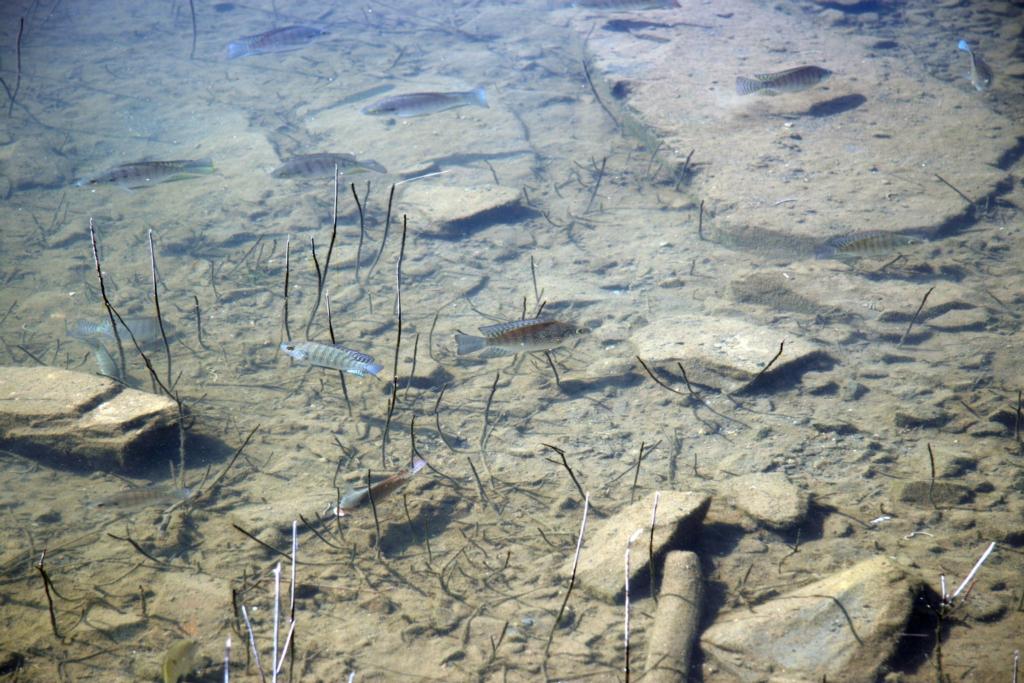 Foremost is food. Throughout Comedero’s history, the Mexican government has stocked these waters with tilapia. Local commercial netters take a lot, but this species propagates efficiently, so there’s plenty leftover for the bass. Comedero also holds shad and crawfish, along with various insects and reptiles that routinely make their way into the water.
Geography further benefits the Comedero bass, as inhospitable terrain (steep, rocky mountainscapes), desolate location and limited access points mean minimal lake traffic. Currently only two outfitters work Comedero, so anglers often fish all day without seeing another recreational boat. This, plus a subtropical environment creates a veritable largemouth breeding ground.
“There’s less pressure on the bass and (the climate) stays warm year-round,” said Charlie Jock, of Ron Speed’s Comedero Lodge. “The tilapia is such a good source of protein that the bass just grow faster in this system.”
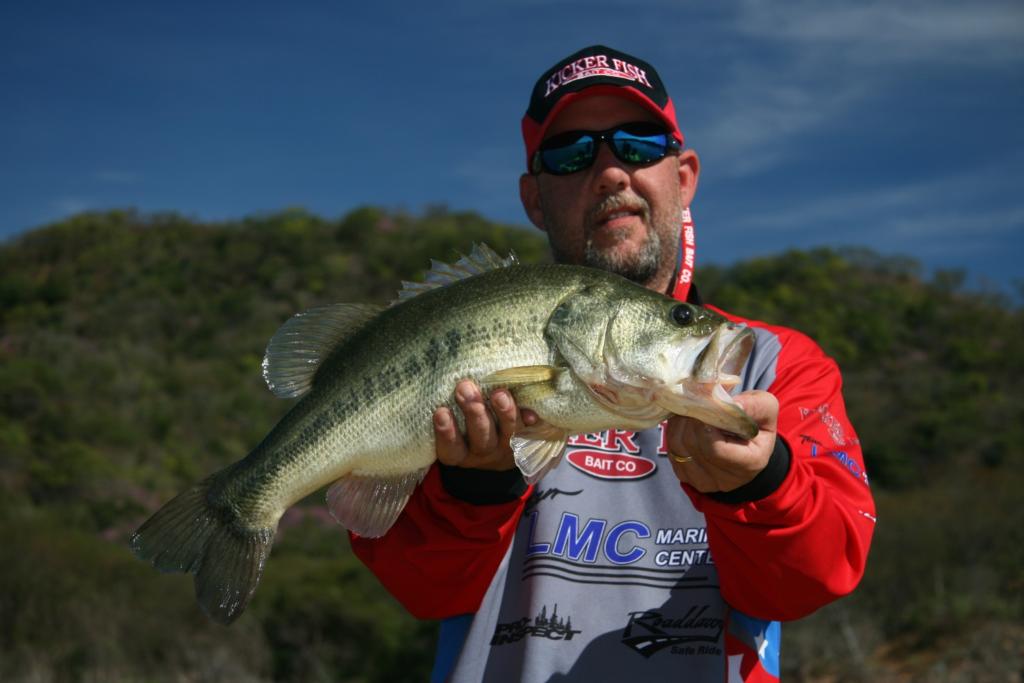 No doubt, lunker largemouths are wily critters anywhere you find them, but Comedero typically yields at least a couple in the 10-plus pound range to just about every visiting group. Trophy fish are well dispersed and there are definitely a few sweet spots, but highly productive habitat spans the entire lake.
To say that the dozen anglers in my group boated nearly 1,000 bass in two and a half days is no exaggeration. In fact, that number is actually lower than average, but rain hampered our first day. Plus, when you have a photographer in the mix, the requisite photo shoots eat up a lot of fishing time.
Nevertheless, fishermen with passports won’t find a more promising fishery for double-digit – and occasionally triple-digit days. Add to this the very real possibility of tangling with the fish of a lifetime, season the dish with rustic “Old Mexico” ambiance and this angling getaway delivers one memorable experience.
Scenic surroundings, productive patterns
 The rugged Sierra Madres – which translates to “Mother Mountains” – present many shoreline looks. Among them: High cliffs with nearly vertical faces, dense clay mounds, loose rubble, and deep gorges littered with massive boulders. As Jock notes, diversity adds another facet to this jewel called Comedero.
“This lake has more different types of habitat than any lake I know,” Jock said. “There are saddlebacks (gullies between opposing hills), flats, points, brush, creeks – it’s a fisherman’s dream. Anything you like to fish is there.”
Flooded timber – from scattered patches to sprawling aquatic forests – offers the most consistent opportunities. At full pool (75- to 80-foot average depths) Comedero covers much of this dead wood, but sufficient structure remains emergent to clearly mark the cover.
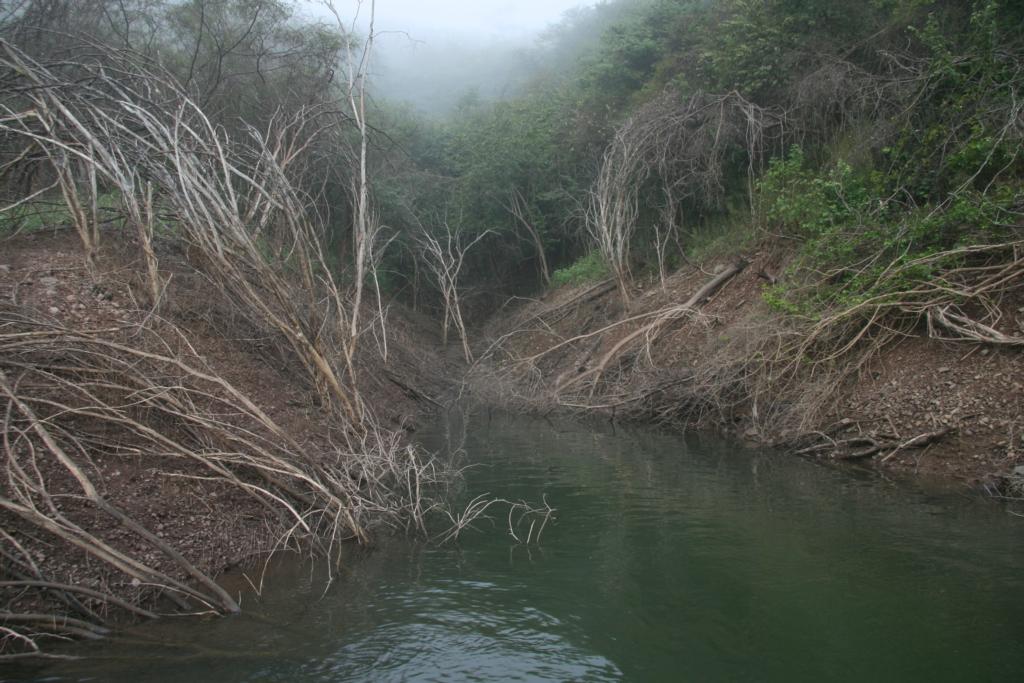 During the spawning period – which runs January through March – bass invade Comedero’s many creeks, where timbered edges – especially those with mountain drains – merit much attention. Before and after this period, main-lake points bristling with timber attract a lot of big fish that wedge themselves deep within wooden fortresses. In this scenario, my biggest bass to date, a stout 8 1/2-pounder, gobbled a 1/2-ounce Picasso spinnerbait with double-silver willow leaf blades and a white trailer.
My uncharacteristically accurate cast threaded the proverbial needle and landed deep within a narrow gap in the cover. This didn’t set well with the resident largemouth, but after a couple of tense minutes, some helpful coaching from boat mate Tim Gregory (“Stay calm”, “Keep her head down”, “Stop yanking!”, that sort of thing) and a sharp net job by our guide Manuel Pudilla, I hoisted that pretty gal for a victory kiss. Then I sent her safely on her way.
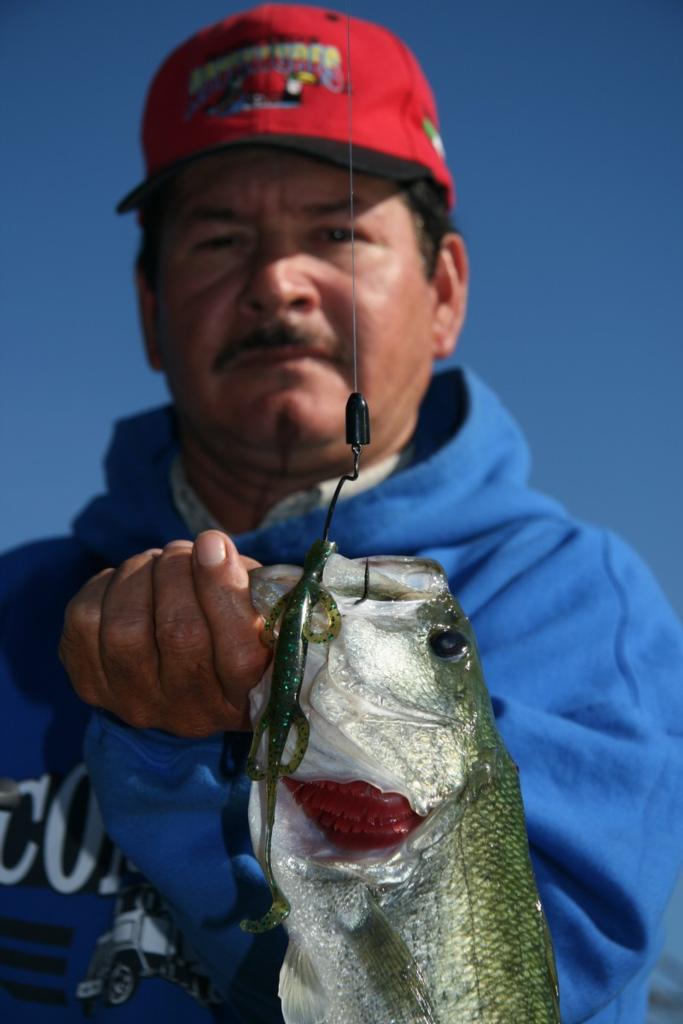 Jigs, Texas-rigged lizards and shaky head worms prove effective for probing stumps, laydowns and deep rock crevices, while bumping a square-billed crankbait over timber might wake up a snoozing largemouth. Top-waters fished during early mornings, late afternoons and cloudy/rainy conditions will tempt astoundingly vicious strikes. Experiment with sizes, designs and retrieves – sometimes the fish want big, sloppy walking bait; other times a zippy chugger does the trick.
Notably, Jock said he’s seen jumbo bass flopping at the surface, sometimes even choking on 2-pound tilapia wedged in their gullet. Guides who spot such beguiled bass in time can usually remove the vexation and send the predator on its way.
Lesson for largemouths: Don’t try to swallow oversized meals
Lesson for anglers: Largemouths will try to swallow oversized meals.
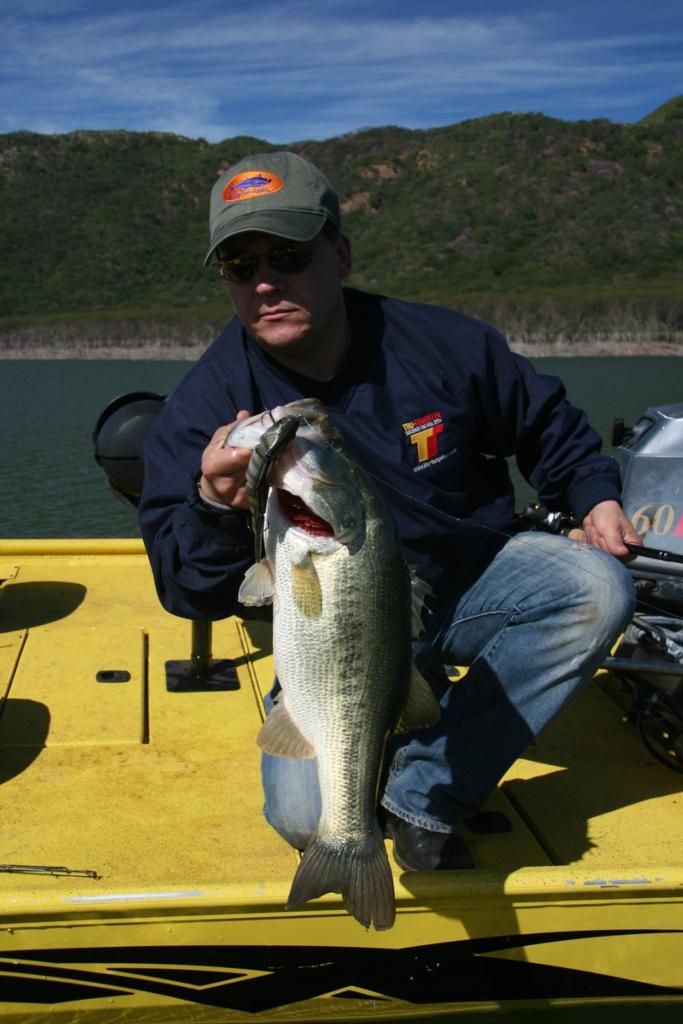 That’s why jumbo swimbaits, like Tru-Tungsten’s tilapia imitating Tru-Life swimbait, can coax those thunderous, knee-knocking strikes that’ll shake the coins out of your pocket. A durable polymer body fared well when bounced against rocky edges for parallel retrieves tight to the structure. Adding or removing the tungsten inserts allowed us to vary the lure’s depth for fishing different habitat.
With any bait, anglers quickly notice that Comedero bass have a really nasty disposition. Maybe some of that comes from intense feeding competition, or possibly the aggression required for knocking off chunky tilapia. In any case, expect nothing short of unabashed bravado – even from juveniles clearly too small to swallow the lures they’ll hit. You can also expect a raw thumb – the requisite sacrifice for lipping loads of the Mexican maulers.
Know if you go
* Money: At the time of my trip, we got 10 Mexican pesos to the dollar, but check with banks or major retailers to confirm the current exchange rate. American dollars usually work at all but the smallest of vendors, although you can’t always count on getting your change in dollars.
* Security: Lodge operators take obvious care to ensure client safety, but straying from group facilities or transportation can become risky in rural areas. When visiting small towns and villages along the way, keep cameras, wallets, cell phones and other valuables close and avoid walking anywhere alone after dark.
* Stay healthy: Don’t drink the water – seriously. Comedero Lodge provided plenty of bottled water for drinking and teeth brushing. Lodge fare is safe and sanitary, but avoiding lettuce and other uncooked vegetables helps minimize the chance of gastric unpleasantries. When eating outside of lodge facilities, know that ice is often made from unpurified tap water. Also, food items prepared by street vendors are rarely safe for visitors. Packing a few Imodium tablets is always a good idea.
* Coming and going: You’ll need a valid passport to enter Mexico and return to the U.S. An international departure tax of approximately $20 is paid in cash at Mexican airports.
For Mexican bass fishing excursions, contact Ron Speed’s Adventures at (800) 722-0006 or visit RonSpeed’sAdventures.com