————————————–
Editor’s note: This is just one article from a recent issue of FLW Outdoors Magazine, which now publishes a Sportsman’s Guide section. To learn more about the magazine and how to subscribe, click here.
————————————–
Mossy Oak BioLogic Perfect Plot
It’s hard to deny the effectiveness of annual food plots, but not every hunter wants to go back and replant them every year. For those hunters, Mossy Oak BioLogic has mixed annuals with hardy perennials to create the Perfect Plot.
The base of the blend is a mixture of New Zealand clovers, alfalfa and chicory. The multiple varieties of each plant allow for better survival and disease-resistance for those planting in Northern climates or the Southeast.
As for the annuals, Austrian winter peas and New Zealand brassicas were added to attract deer both early and late in the season, even after snow has begun to fall. The suggested retail price for a 9-pound, 1-acre bag is $64.99. (plantbiologic.com)
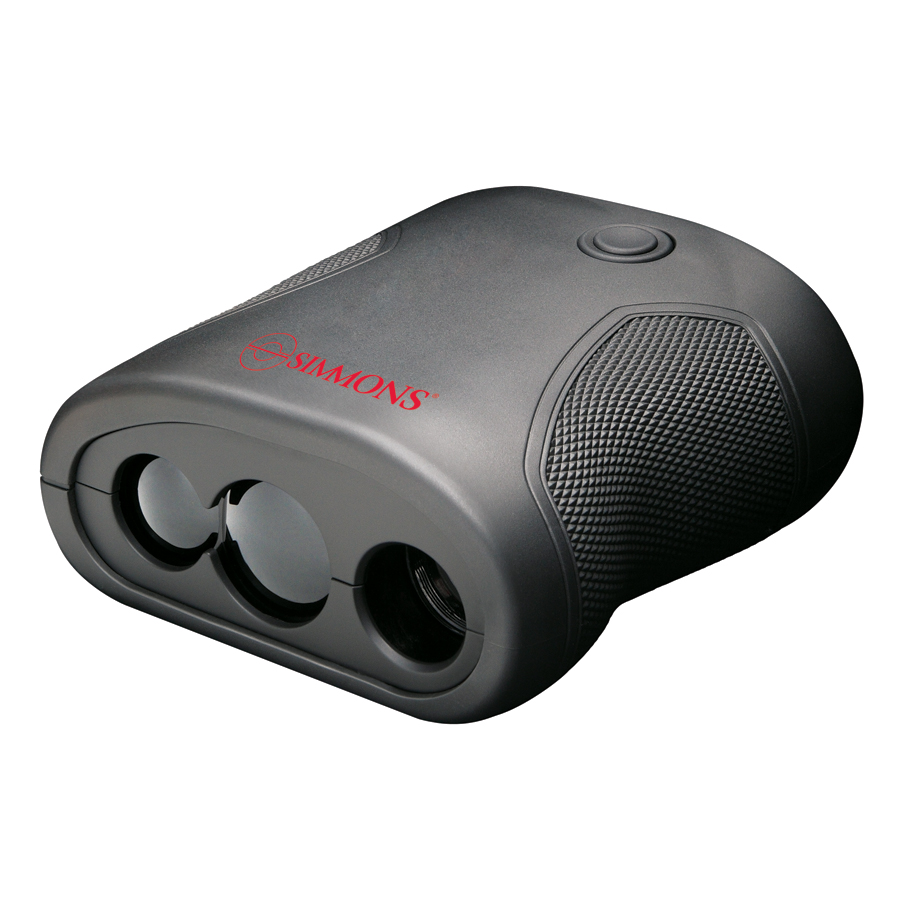
Simmons LRF 400 Rangefinder
Tiny and accurate, the LRF 400 Rangefinder is a handy tool to have in the outdoors. By pushing the single button, you can quickly gauge the distance to a trophy animal, green on a golf course or the next bend in a hiking trail. The laser can read distances from five to 800 yards with the accuracy of plus or minus one yard. The tool also features four times magnification with an in-view liquid crystal display so the viewer can better make out the target.
The rangefinder comes with its own carrying case and is powered by a single 9-volt battery. It retails for between $99.99 and $129.99. (simmonsoptics.com)
 Bogs Blaze MT
When it comes to walking through a muddy field, outdoorsmen still can’t beat simple rubber boots. They are durable, keep feet dry and clean off easily. The lone drawback is they don’t breathe, causing feet to sweat – until now.
Using a patented Moisture Transfer technology, the Blaze MT boots actually allow air in and out. They are not as breathable as a pair of hiking boots, but the air flow is enough to keep feet dry.
Covered in Mossy Oak camo, the boots were also designed to be comfortable, another flaw in standard rubber boots. Using neoprene in the shafts of the boots allows the shafts to stretch, while the boots are contoured to support the arches of the feet, making long walks through mud much easier on the joints.
The boots are rated for subzero temperatures (40 below zero). Retail price is $132. (bogsfootwear.com)