Q: I watch a lot of fishing shows on TV during the weekend. I am thinking about a new boat. I am wondering, why do I not see center console boats used in freshwater fishing and they’re almost always used on the saltwater side?
-Ritch Miller, Omaha, Neb.
A: That is a great question Ritch. I think it is mainly a northern perception and the style of fishing that we do. If I was to fish a lot of big water I would think seriously about a center console boat. Not to say that they are only a big water boat. But if you are looking for a couple great options in a center console model the 2200 Bay Ranger or the 2000 Bay Ranger would be my picks.
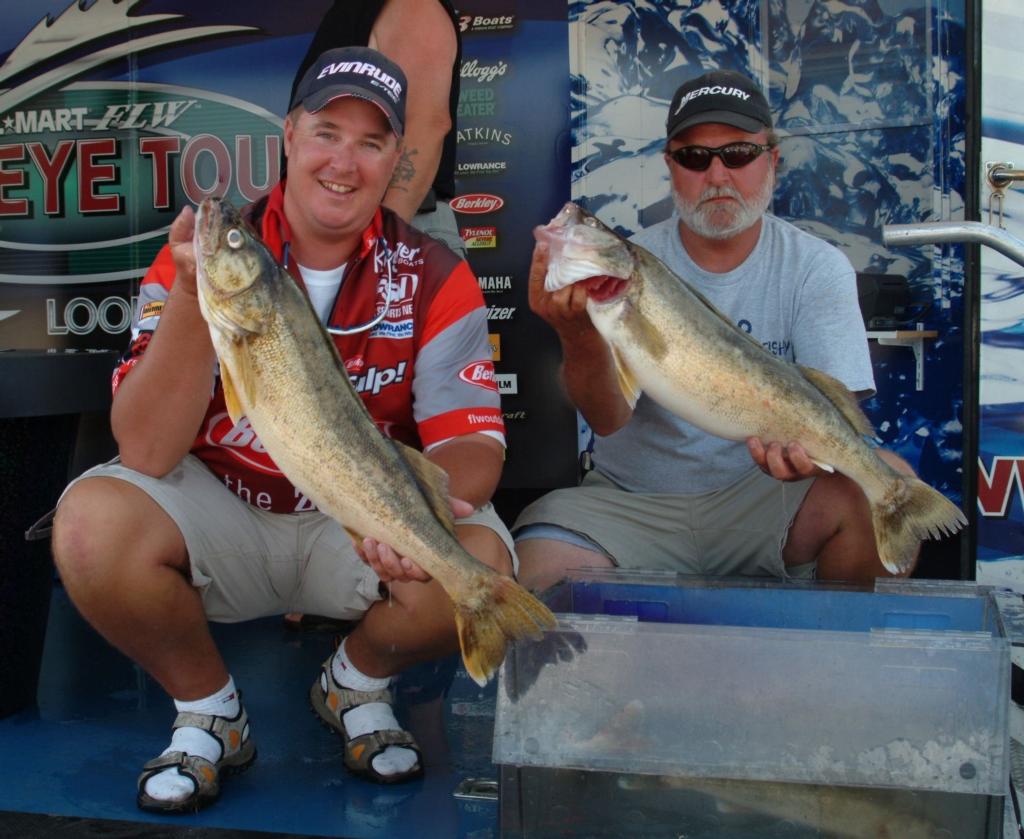 Q: Is the whole Devils Lake walleye fishing phenomenon going to last? I mean the awesome crappie fishing on Red Lake is just about over. Will walleyes on Devils Lake be the same way or is the fishery consistently capable of producing good classes?
-Nick T., Grand Forks, N.D.
A: I think you are looking at two different styles of bodies of water and what I mean by that is the whole crappie phenomenon on Red Lake was based largely on a few year classes. While those fish will probably deplete over time, it seems they are still catching a few numbers. Now Devils Lake is a lake that consistently takes in new cover, which in return allows great bait reproduction. I am not sure if Devils Lake can sustain the constant pressure of a spring/spawning bite but then again that fishery continues to amaze me. Every year we return we consistently catch fish throughout the class spectrum.
Q: Will you explain to me what a three-way rig is? I’ve used Lindy rigs and bottom bouncers before, but I don’t understand the set-up for a three-way. What are the advantages?
-Scott, Minneapolis, Minn.
A: A three-way rig consists of a three-way swivel, a variable length dropper and either live bait or a crankbait. I tend to use three-ways more often in current situations where I want to be able to use variable lengths to present my baits or have the capability of my weight being a heavy jig to allow me to have two presentations on one line. For example, I might use a 3/4-ounce or a 1-ounce jig as my dropper and a plain hook or floater or even a crankbait. One of the main advantages that I see is that you feel the fish before it feels you.
 Q: How will the change in boundaries affect the FLW Walleye Tour season opener on the Detroit River? I understand that the Michigan side of Lake Erie will now be in play but the Canadian waters of both the river and the lake will be off limits. Is the river better than the lake that time of year? Will people pull harnesses on the lake or is it too early for that?
-Motor City walleyes
A: To answer your first question I think this will definitely tighten up the field in the river as only a few quality spots exist on the U.S. side. That being said, the tournament is a week or two later than last year, which will give the fish a chance to disperse a little bit in the river. To answer your second question I think with the Michigan side of Lake Erie being our only option, I will probably opt for the river. To answer your third question my choice of presentations for the lake at that time of year would be crankbaits – either Reef Runner Ripsticks or Rapala Husky Jerks trolled very slowly in that 1 mph range.
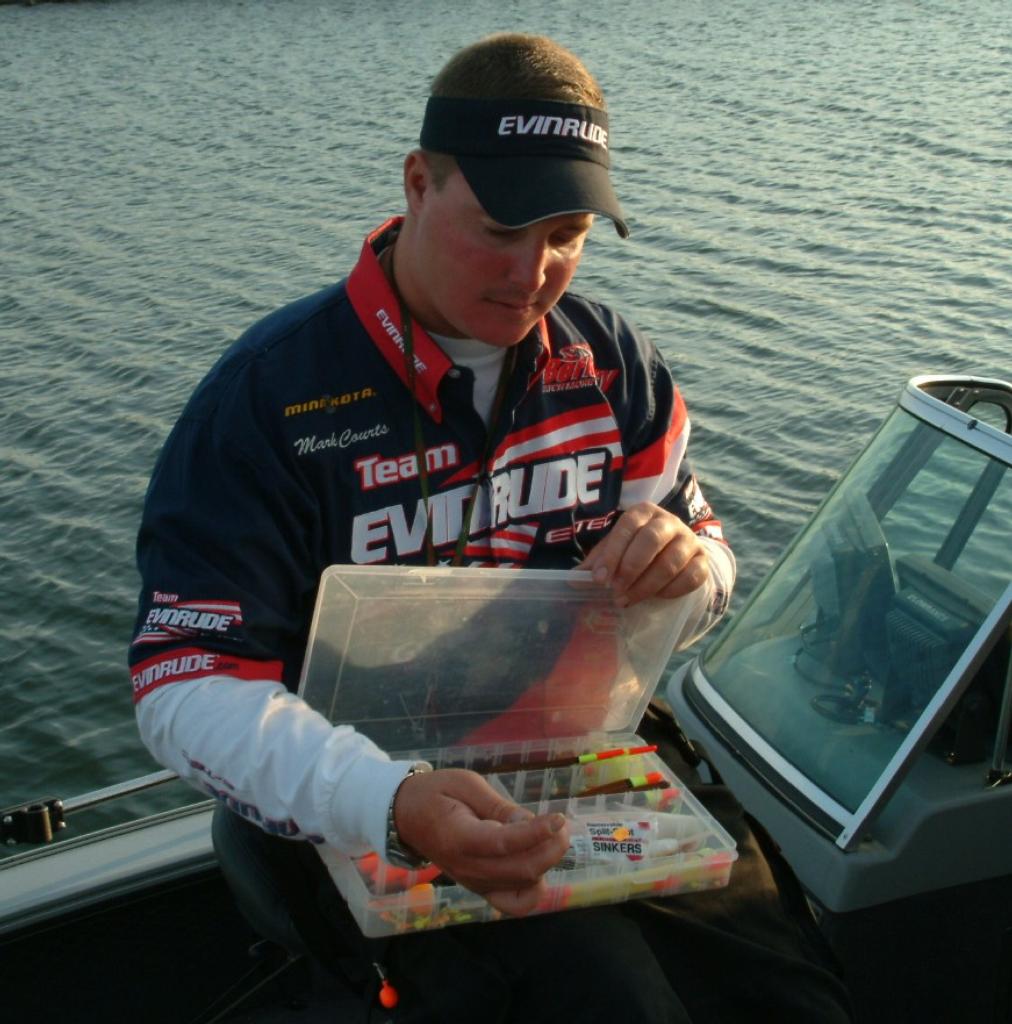
Mark Courts is an accomplished walleye pro hailing from Harris, Minn. An eight-year veteran, Courts fishes both the FLW Walleye Tour and the Professional Walleye Trail. In his FLW Outdoors career alone, Courts has notched five top-10 finishes and has earned over $70,000. In 2005, Courts placed in the top-10 two times, including a seventh-place finish on Bull Shoals Lake and a fourth-place finish on Devils Lake. In 2006, Courts claimed victory at the PWT Regional held on South Dakota’s Lake Oahe. His sponsors include Berkley, Lowrance, Minn Kota, Abu Garcia, Ranger, Evinrude and Fenwick.