Q: What do walleye pros do in the winter when most of the lakes are frozen over? It seems like a long offseason.
-Brian, Farmington, Minn.
A: Typically, I spend my winter ordering all my equipment including electronics, suspension seats, marine radios, rod holders, steering and throttle control devices, etc. for my new boat. Then when the new boat arrives you must have time to rig it. Then, when time permits, I get all my gear ready for the new season. This consists of respooling all reels, tying new harnesses and changing hooks on crankbaits. But, the most important part of the offseason is the sport and boat shows that take place and representing your sponsors. You would be surprised how quick the offseason flies by.
Q: With the schedule and the payouts recently being announced, will the 2008 Walleye Tour have full fields like it did the past two years?
-Kevin R., Minot, N.D.
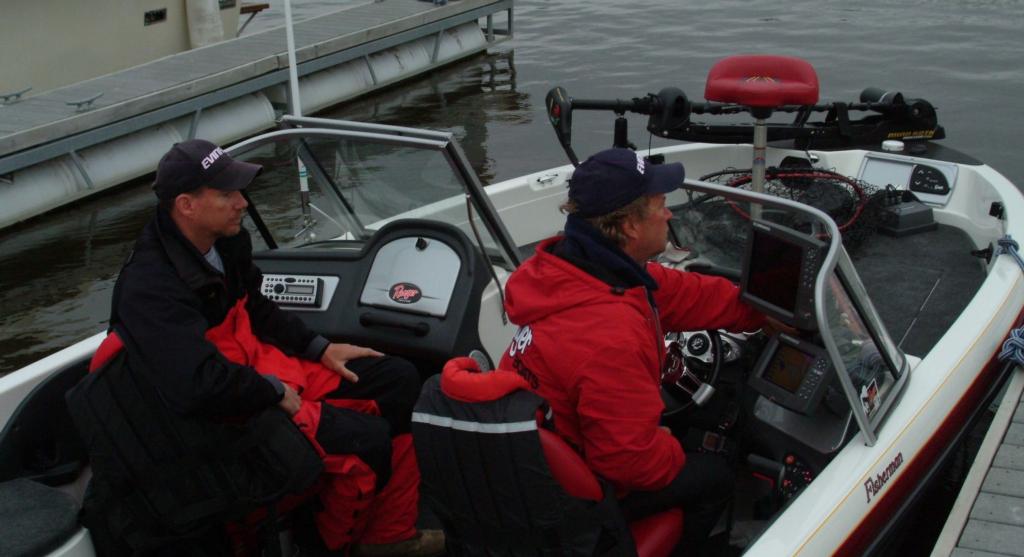 A: I may be biased but I feel that the Walleye Tour is the premier circuit in the industry. The tournament trail ran by Sonny Reynolds, Kevin Hunt and many others ranks second to none. Where else in America can you fish for a no-entry-fee championship which pays up to $150,000 to the winner? For any pro or co-anglers interested in fishing the Walleye Tour in 2008, I wouldn’t wait long. I’m sure they will fill immediately.
Q: I’m confused with the concept of turnover. Is the walleye fishing better before turnover or after turnover? How do you know if a lake has turned over?
-Steve Crispen, Ladysmith, Wis.
A: Steve, this is a very difficult concept to explain. After speaking with Fred Snyder, Ohio Sea Grant Education, Lake Erie for example, has seasonal fish migration which weather affects based on water temperature. However, Lake Erie’s turnover generally occurs in October. Prior to turnover the thermocline is well established and deep (able to mark on a good sonar unit). Typically the walleyes, steelhead, etc. are at or above the thermocline. As turnover starts, foul, anoxic bottom water gets mixed throughout the entire water column which makes the lake cloudy (algae appearance) and smelly. This can affect fishing based on water clarity. Oxygen in the now-mixed lake decomposes the noxious materials in the water. The lake will then clear within a couple of weeks. Typically after the turnover occurs the fish are suspended throughout the entire water column because there is no thermocline established. Lake Erie then will stay well-mixed until early summer when the same process transpires. If you have the right water clarity the turnover really does not affect fishing – the depth of your presentation is the key. I would recommend running your presentations at various depths until you locate the fish. Steve, you could read a book regarding the turnover concept and still not completely understand it.
Q: I’m looking at getting a spring-bobber ice fishing rod. Do you have any recommendations? I feel like I had a lot of undetected bites last year and I think this might help. Several times there were blips all around my flasher but I wasn’t getting bit.
-Iceman, Park Rapids, Minn.
A: First of all if you’re marking a lot of fish around your bait without getting bit, try changing the size of your presentation. If that doesn’t work try vertical jigging – moving the bait vertically to try to  entice a bite. If you still feel that you are missing the strikes, St. Croix Legend Elite Ice Rods offer a strike indicator with an ultra sensitive spring tip. You can purchase the strike indicator without the rod as mentioned through Cabela’s for around $7. The indicator comes in light, medium, or medium-heavy, the item No. is UH-119037. Also, Scheels offers a very nice spring-bobber rod for ice fishing.
Q: Looking for a new net for my husband for Christmas. Any suggestions?
-Pam
A: First of all, what kind of fishing does your husband prefer? Remember the net must have a good rubberized coating (Frabill, Beckman Nets, etc.) so that the hooks don’t penetrate the net. Also, fish size plays a major factor in determining the size of the loop. As they said in the “Jaws” movie when they hooked Jaws, “I think that we’re going to need a bigger boat.” The same principal applies in nets. If you’re going to land a 30-inch walleye the last thing you want to worry about is having too small of a net.
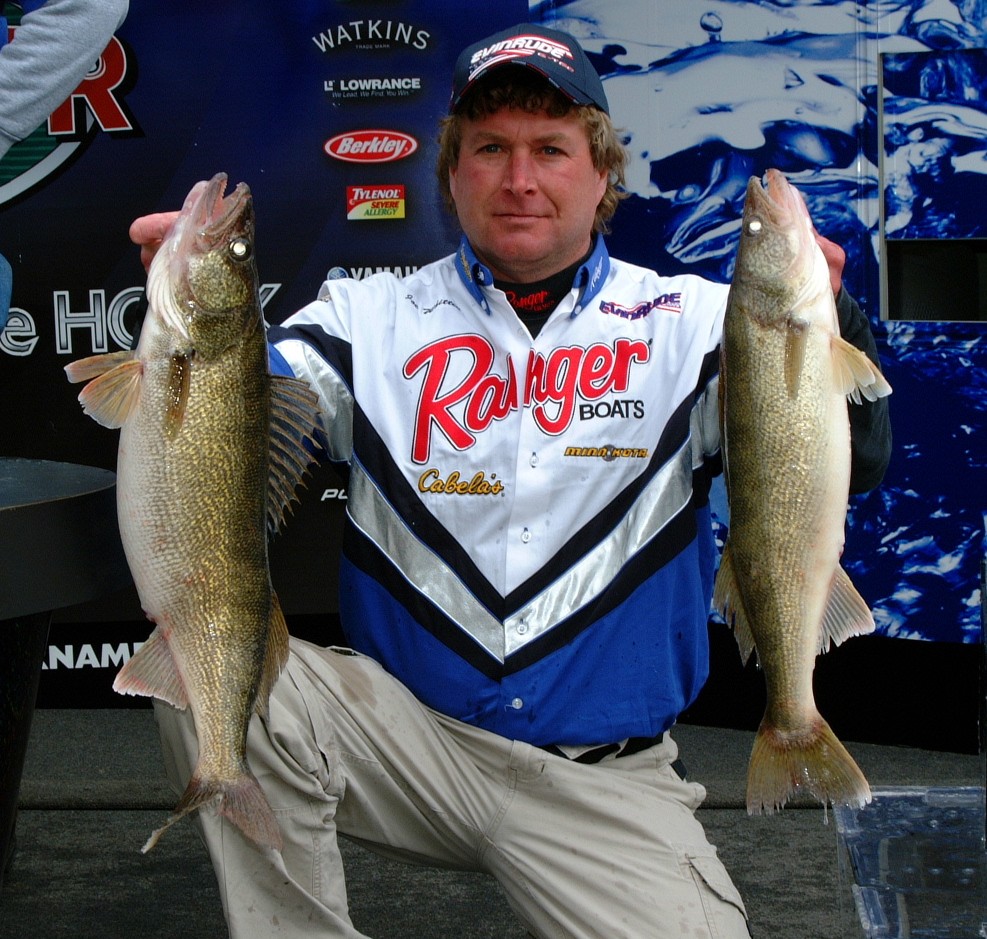
Joe Whitten is a veteran professional angler, having competed on the FLW Walleye Tour since its inception in 2000. A Toledo, Ohio, native, Whitten is an expert at open-water trolling, a popular tactic on his home waters of Lake Erie. With three top-10 finishes and over $75,000 in career FLW Outdoors earnings, Whitten is one of the most consistent walleye pros on tour. In fact, he is currently the only Walleye Tour pro with three year-end, top-five finishes in the Land O’Lakes Angler of the Year race. His sponsors include Ranger Boats, Evinrude, Minn Kota and Matzuo America.